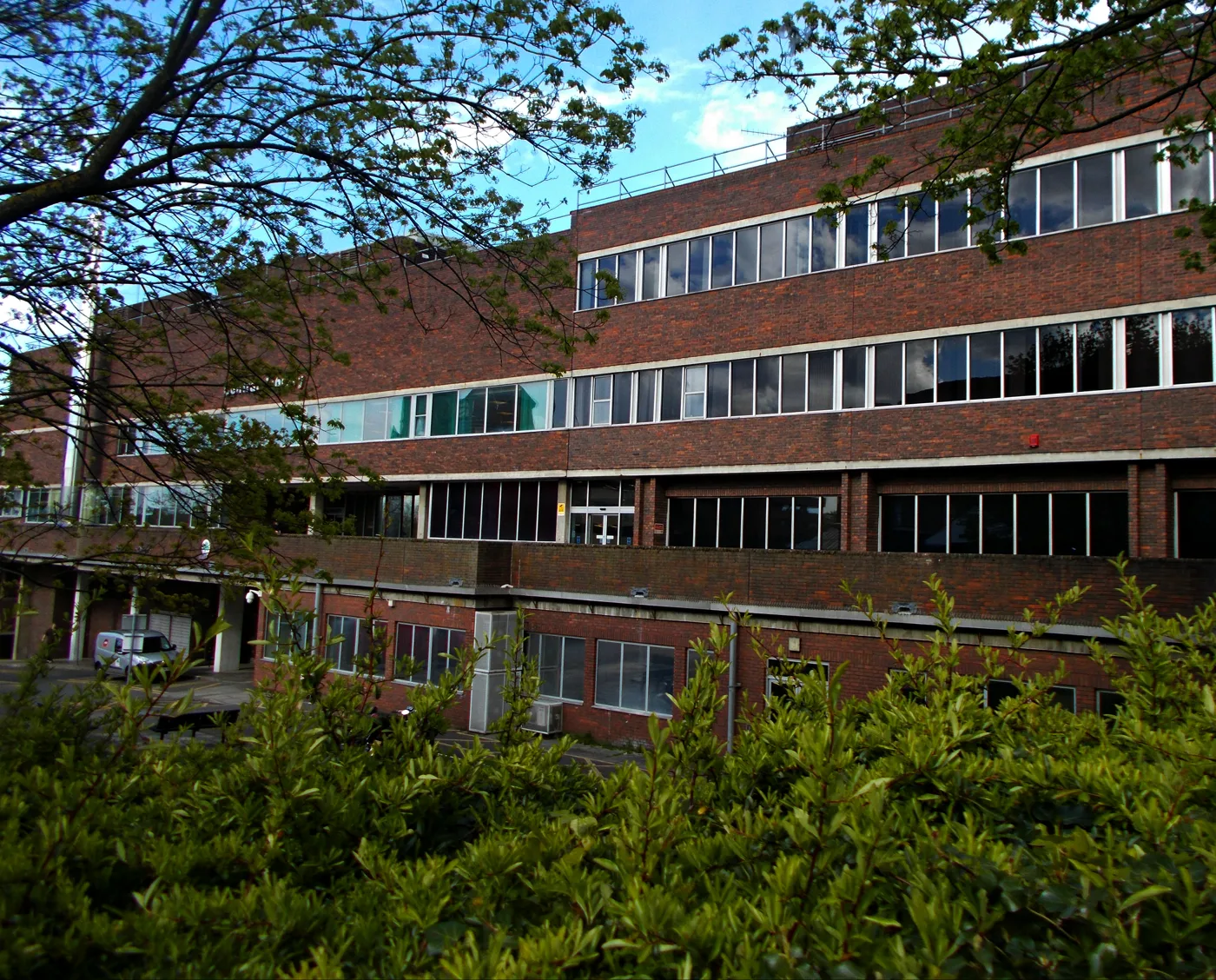

Ofsted and the CQC found systemic failings in Sutton's SEND partnership. Papers for 24 September say dysphagia waits have fallen from six months to four weeks.
Inspectors found “widespread and/or systemic failings” in the way Sutton’s services for children with special educational needs and disabilities are run, and the single most urgent concern was about children who have trouble swallowing.
Councillors see the council’s response for the first time in public on Wednesday 24 September. The papers, published last week, set out both what went wrong and what has changed since.
What the inspectors found
Ofsted and the Care Quality Commission inspected the Sutton local area partnership from 26 to 30 January 2026 and published their report on 26 June (Area SEND inspection of Sutton Local Area Partnership).
The report says children and young people with SEND “have variable experiences in Sutton. Furthermore, some children have considerably poor experiences.” On dysphagia, the medical term for difficulty swallowing, it is harder still:
Pathways for dysphagia assessment and intervention across the area are significantly under-resourced. In addition, children and families are experiencing unacceptable delays in accessing specialist assessment and intervention. As a result, some children do not have timely, coordinated and risk-assessed plans to manage their feeding needs.
That triggered a single area for priority action, aimed jointly at the council and NHS South West London Integrated Care Board. The inspectors told them to review how they identify and manage risk together and to “address this rapidly in relation to children and young people with dysphagia and take swift action to mitigate risk of harm”.
A monitoring inspection follows within roughly 18 months. The council’s report puts that at around December 2027.
Waits cut from six months to four weeks
The council’s SEND Update Report lists what the partnership has done since inspectors raised the issue at the end of January.
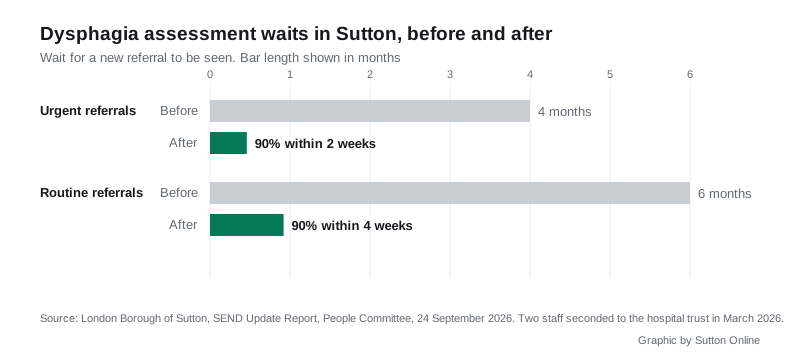
The change came from staff. In March the Integrated Care Board and Cognus, the council’s trading company that runs school support services, agreed to second two qualified therapy staff with dysphagia training into Epsom and St Helier Hospitals Trust, with Cognus backfilling the posts. The report records the result: waits for new dysphagia assessment referrals fell from four months for urgent cases and six months for routine cases to 90 per cent of patients being seen within two weeks and four weeks.
The other steps listed, with the council’s own dates:
- February: the Integrated Care Board reassessed every child on the waiting list. It found the service “required significant improvement arising from staffing shortages” but did not find evidence of harm.
- March: an independent external review of the dysphagia pathway reached the same conclusion.
- April: local SEND governance reviewed, with a new independently chaired SEND Reform and Improvement Board that has met four times since May.
- June: infant training added to the development schedule for new dysphagia staff, and clearer information for families about where to get help while waiting.
- July: all eating, drinking and swallowing plans for medium and higher risk cases at Sherwood Park reviewed and updated.
- July and September: two risk management workshops, with a risk register and protocol agreed across the partnership.
A priority action plan went to the Department for Education on 26 August. The council is waiting for the department to approve it before publishing it on the Sutton local offer.
Four other things inspectors want fixed
Alongside the priority action, the report set four areas for improvement. The partnership must:
- establish and sustain a representative parent voice; inspectors found there is “currently no functioning parent carer forum”
- strengthen how children are prepared for adulthood across education, health and social care
- improve how it uses and shares data about children with SEND
- improve consistency of outcomes in the early years, particularly in therapies and paediatrics commissioned for children aged 0 to 5
Inspectors were specific about the age gap there. School-aged children “access this quickly from skilled and specialist clinicians”, they wrote, but “younger children, aged 0 to 5, who are not in school wait too long for assessment and intervention”.
On the parent forum, a parent panel appointed Sutton Mencap as its development partner in June, with engagement sessions in July.
Where Sutton does well, and the one number it does not
The same committee report carries Sutton’s figures from the national SEN2 return for 2025, and most of them are strong:
- 99.5 per cent of decisions on whether to assess were made within six weeks, against 87.4 per cent nationally
- 96 per cent of education, health and care plans were issued within 20 weeks, against 46.1 per cent nationally
- 93.4 per cent of annual reviews happened within the year, against 73.6 per cent
- 5.7 per cent of appealable decisions went to the SEND tribunal, just below the national rate
The exception is the one parents notice most. In 2025 Sutton agreed to carry out an assessment in 52 per cent of cases where one was requested. The national figure is 73 per cent. The council says this was raised by inspectors, though not listed as an area for improvement, and argues the context matters: only Bromley and Croydon receive more assessment requests per head in London, and Sutton takes about 180 more requests a year than a London borough of its size. Most refusals, it says, are cases where the panel accepts the child has SEND but concludes school-level support can meet the need.
The money behind it
The report is candid about the finances. Special needs provision is paid for from the high needs block of the Dedicated Schools Grant, and Sutton is well past it:
- £10.91m overspend in 2025/26
- £21.48m cumulative deficit carried forward
- £13.55m further overspend projected for 2026/27, against a total grant of £156.9m
- around £1m a year in lost interest or borrowing costs from carrying the deficit
The Department for Education has committed to writing off 90 per cent of accumulated council deficits up to 2025/26, but only where it approves a council’s SEND reform plan. Sutton submitted its draft plan on 19 June and is still waiting for a verdict, expected at the end of September. The council’s report names the risk plainly: rejection or long delay puts a £19.35m write-down at stake and “directly threatening the Council’s financial stability”. Sutton’s own 10 per cent share is put at £2.15m, covered by a £1.64m reserve and £0.58m a year.
What it means for you
If your child is waiting for a dysphagia assessment, the papers say the wait should now be a fortnight for urgent referrals and about a month for routine ones. If that does not match your experience, the figures in this report are the ones to quote back.
If you want to shape what happens next, the new parent carer forum is being built now by Sutton Mencap, and inspectors have told the partnership that a functioning forum is not optional. The priority action plan will appear on Sutton’s local offer once the Department for Education signs it off.
The People Committee meets at 7pm on Wednesday 24 September at the Civic Offices, St Nicholas Way, SM1 1EA. Meetings are open to the public and the papers are on the agenda page.
Also going to that meeting: the plan to cut Devonshire Primary’s intake from 90 to 60 as births in the borough fall.
More Sutton information: planning applications, council tax bands, bin collection days.
Have your say